
Filipino Designers on the Global Fashion Stage: A New Era of International Recognition
Explore how Filipino fashion designers are redefining global style, from Paris runways to Hollywood red carpets, showcasing Philippine craftsmanship and contemporary design vision on the world stage.
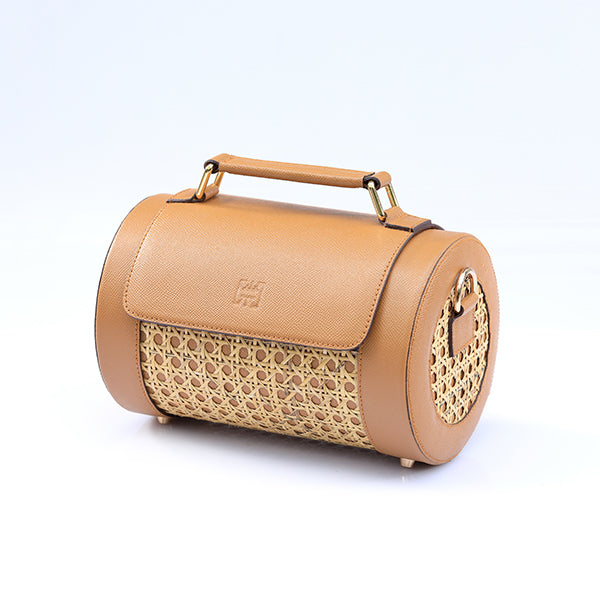
The fashion world is taking notice. From the cobblestone streets of Paris to the red carpets of Hollywood, Filipino designers are no longer just representing their homeland—they are reshaping the global conversation about what contemporary fashion can be. This new generation of Philippine talent brings a distinctive voice that blends centuries-old craftsmanship with forward-thinking design, creating pieces that resonate far beyond the archipelago.
The shift is undeniable. Where once Filipino fashion was largely confined to local markets and cultural celebrations, today’s designers are commanding international attention, securing spots in major fashion weeks, and dressing global icons. This evolution represents more than just individual success stories; it signals a broader recognition of Philippine design as a legitimate force in the global fashion ecosystem.
The Paris Breakthrough
Michael Cinco’s journey exemplifies this transformation. Based in Dubai but proudly Filipino, Cinco has dressed royalty and celebrities across continents. His elaborate gowns, which often incorporate traditional Filipino embroidery techniques with European couture construction, have graced the Cannes Film Festival red carpet repeatedly. When international stars choose Filipino-designed pieces for their most photographed moments, it sends a clear message: Philippine fashion belongs on the world’s biggest stages.
Francis Libiran has taken a different but equally impactful approach. His ready-to-wear collections, which have shown at New York Fashion Week, demonstrate how Filipino design sensibilities can translate into commercial success without losing their cultural authenticity. Libiran’s work proves that Filipino fashion isn’t limited to formal wear or special occasions—it can compete in the everyday luxury market that drives global fashion commerce.
The success extends beyond individual designers to encompass a broader shift in how the fashion industry views emerging markets. When Bench, the Philippine lifestyle brand, collaborated with international retailers and expanded across Southeast Asia, it demonstrated that Filipino brands could scale globally while maintaining their distinct identity.
Hollywood’s Filipino Fashion Moment
The entertainment industry has become an unexpected champion of Filipino design. When global celebrities consistently choose Filipino designers for major events, it creates a ripple effect that reaches millions of fashion-conscious consumers worldwide. These red carpet moments aren’t just about individual dresses—they represent validation of Filipino craftsmanship and design vision at the highest levels of international style.
What makes this particularly significant is the intentionality behind many of these choices. Celebrities and their stylists are actively seeking out Filipino designers, drawn by the unique aesthetic that combines meticulous handwork with contemporary silhouettes. This demand has created opportunities for emerging designers who might otherwise struggle to gain international visibility.
The impact extends beyond formal wear. Filipino designers are increasingly being recognized for their innovation in areas like sustainable fashion, streetwear, and accessories. This diversification shows that Philippine fashion can contribute to every segment of the global market, not just luxury evening wear.
The Craft Advantage
What sets Filipino designers apart in the global market often comes down to craft. The Philippines has maintained artisanal traditions that have been lost or mechanized elsewhere. When international fashion consumers increasingly seek authenticity and uniqueness, Filipino designers can offer genuinely handmade elements that mass production cannot replicate.
This craft advantage manifests in various ways. The intricate beadwork that has been refined over generations in Philippine embroidery traditions. The natural dyeing techniques that create colors impossible to achieve through industrial processes. The weaving patterns that have been passed down through families and communities. These elements give Filipino designers a distinct vocabulary that cannot be easily copied or mass-produced.
The global fashion industry’s growing emphasis on sustainability has created additional opportunities for Filipino designers. Traditional Philippine textile production methods are inherently sustainable, using natural materials and time-honored techniques that have minimal environmental impact. As luxury consumers become more conscious about their purchases’ ecological footprint, Filipino designers are well-positioned to meet this demand.
Digital Platforms and Global Reach
Social media and e-commerce platforms have democratized access to global markets in ways that previous generations of Filipino designers could never have imagined. Instagram has become particularly powerful for showcasing the detailed craftsmanship that characterizes much Filipino fashion work. The platform’s visual nature allows designers to tell the story behind each piece, highlighting the cultural significance and artisanal skill involved in its creation.
This digital transformation has also enabled direct relationships between Filipino designers and international customers. Collectors and fashion enthusiasts worldwide can now discover and purchase Filipino-designed pieces without requiring traditional retail intermediaries. This direct connection has proven particularly valuable for emerging designers who might struggle to access established distribution networks.
The pandemic accelerated many of these digital trends. As traditional fashion weeks moved online and consumers shifted to digital shopping, Filipino designers who had already embraced these platforms found themselves well-positioned to maintain and grow their international presence.
Challenges and Opportunities
Despite these successes, Filipino designers still face significant challenges in the global market. Manufacturing and logistics costs can make it difficult to compete on price with established fashion centers. Access to high-quality materials and finishing services remains limited compared to fashion capitals like Italy or France.
However, these challenges are increasingly being viewed as opportunities for differentiation rather than obstacles to overcome. The boutique nature of many Filipino fashion operations allows for customization and personal service that mass market brands cannot provide. The limited production runs create exclusivity that luxury consumers specifically seek.
The Philippine government’s growing support for creative industries has begun to address some systemic challenges. Export assistance programs and international trade promotion have made it easier for Filipino designers to participate in global fashion events and reach overseas markets.
Building a Sustainable Global Presence
The most successful Filipino designers on the global stage have learned to balance international appeal with cultural authenticity. They understand that their Filipino identity is not something to be minimized for global success—it’s actually their primary competitive advantage in an increasingly homogenized fashion landscape.
This balance requires careful navigation. Designers must understand international market preferences and production standards while maintaining the distinctive elements that make their work uniquely Filipino. The most successful have found ways to educate their international audiences about Philippine culture and craftsmanship, turning cultural education into marketing advantage.
The next generation of Filipino designers is building on these foundations while pushing boundaries even further. They’re experimenting with new ways to combine traditional techniques with cutting-edge technology, creating hybrid approaches that speak to both local heritage and global innovation.
The Future of Filipino Fashion Globally
As Filipino designers continue to gain international recognition, they’re not just representing themselves—they’re building pathways for future generations of Philippine talent. Each successful collaboration, each runway show, each red carpet moment creates precedent and opportunity for others to follow.
The global fashion industry’s increasing appreciation for Filipino design represents a broader shift toward recognizing creativity and craftsmanship wherever it emerges. As traditional fashion capitals become more expensive and less accessible, the industry is discovering that innovation and talent exist in markets that were previously overlooked.
For Filipino designers, this moment represents both opportunity and responsibility. The international success they’re achieving today creates expectations and possibilities for Philippine fashion that extend far beyond individual careers. They’re building a foundation upon which the entire Philippine fashion industry can grow and thrive on the global stage.
The conversation has changed. Filipino fashion is no longer an emerging curiosity—it’s become an established presence that global fashion cannot ignore. As this recognition continues to grow, it promises to create opportunities not just for individual designers, but for the entire ecosystem of craftspeople, manufacturers, and creative professionals who make Philippine fashion possible.
Experience ORIAS
Discover our collections of bespoke tailoring and artisan-made accessories.