
Wedding Suits Philippines: The Complete Groom's Guide to Filipino Bespoke
Everything you need to know about getting a bespoke wedding suit or barong tagalog in the Philippines - from finding the right tailor to choosing fabrics and planning your timeline.
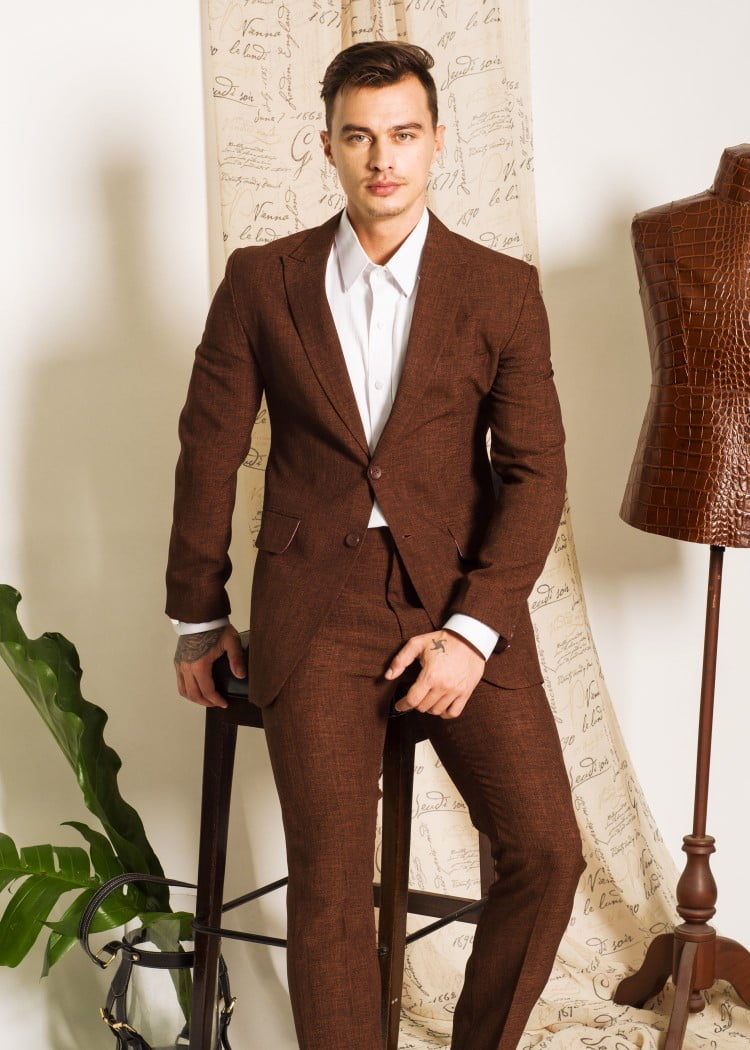
Your wedding day is approaching, and you have a decision to make. Not about the venue or the caterer or the photographer, though those matter too. This decision is about what you will wear when you stand before the people you love and commit to the person you love. In the Philippines, this choice carries particular weight, because Filipino grooms have an option that grooms in most other countries do not: the barong tagalog.
This guide covers everything a Filipino groom needs to know about commissioning a bespoke wedding suit or barong, from initial planning to the day itself.
Suit or Barong: Making the Choice
The first question every Filipino groom faces is whether to wear a Western-style suit or a barong tagalog. Both are appropriate for Filipino weddings, and neither choice is inherently better than the other. The right answer depends on several factors.
Consider the wedding’s formality and setting. A cathedral wedding with a formal reception may call for the gravitas of a well-cut suit. A garden wedding or a beach ceremony may be better served by the breathability and elegance of a barong. A hotel ballroom reception works beautifully with either.
Consider the time of year and venue climate. Philippine weddings during the hot dry season (March through May) present practical challenges for wool suits, no matter how lightweight the fabric. A barong’s sheer, breathable construction makes it genuinely more comfortable in tropical heat.
Consider your personal style and comfort. If you wear suits regularly and feel most confident in tailored Western formalwear, a bespoke suit will amplify that confidence. If you have always admired the barong’s distinctive elegance, your wedding is the perfect occasion to wear one at its finest.
Consider what your partner is wearing. The groom’s attire should complement the overall wedding aesthetic without competing with or clashing against the bridal look. Discuss the vision together.
Many grooms resolve the dilemma by commissioning both: a barong for the ceremony and a suit for the reception, or vice versa. This requires a larger investment but provides options and variety throughout a long event day.
The Bespoke Timeline
This is where many grooms make their first mistake: underestimating the time required for bespoke garment construction. A well-made bespoke suit or barong cannot be rushed. Plan your timeline accordingly.
Six months before the wedding: Begin researching tailors and booking initial consultations. Quality bespoke tailors in Manila have waiting lists, especially during peak wedding season (December through February and June). Starting early ensures you get your preferred tailor and allows time for the full fitting process.
Four to five months before: First fitting. This is the design consultation where you discuss style preferences, choose fabrics, and have your initial measurements taken. For a barong, this is when you select the base fabric (pina, jusi, or blend) and discuss embroidery design. For a suit, this is when you choose the wool, select the silhouette (single or double-breasted, peak or notch lapel), and decide on details like button style, pocket configuration, and lining.
Two to three months before: Second fitting. The garment exists in a preliminary form, and you try it on. This is where adjustments happen: taking in the waist, adjusting sleeve length, tweaking the shoulder line. For a barong, the embroidery placement is confirmed, and the fit of the sheer fabric is assessed.
One month before: Final fitting. The completed garment is tried on, and last adjustments are made. This session should be brief, because a well-executed second fitting leaves little to correct.
One to two weeks before: Pickup and final check. Try everything on with the shoes, accessories, and undergarments you plan to wear on the day. Confirm that everything works together.
Choosing a Tailor
The Philippines has a long tradition of bespoke tailoring, but quality varies enormously. Here is what to look for when choosing a tailor for your wedding garment.
Portfolio and specialization. Look at examples of the tailor’s previous work, especially wedding commissions. A tailor who excels at everyday business suits may not have the specific skills needed for a wedding barong’s delicate embroidery work, and vice versa.
Fitting process. A reputable bespoke tailor will require at minimum two fittings, preferably three. Any tailor who offers to produce a bespoke garment with only one fitting or, worse, from measurements alone is cutting corners that will show in the final product.
Fabric sourcing. Quality tailors have relationships with fabric suppliers and can advise on material selection based on your needs. They should be able to explain the differences between fabric options and help you make an informed choice.
Client references. Ask to speak with previous wedding clients. Their experiences will tell you more than any portfolio photo about the tailor’s communication, reliability, and attention to detail.
Comfort and communication. You will spend several hours in close physical proximity to your tailor over the course of multiple fittings. Choose someone whose communication style puts you at ease and who listens to your preferences rather than imposing their own.
Fabric Guide for Wedding Garments
For Barong Tagalog
Pina (pineapple fiber): The gold standard. Hand-woven from pineapple leaf fibers, pina is translucent, lustrous, and unmistakably elegant. It is also the most expensive option and the most delicate. A pina barong makes a statement and is appropriate for the most formal wedding settings.
Jusi: A practical and beautiful alternative to pina. Jusi fabric has a similar translucent quality but greater durability. It is available in a wider range of weaves and textures, offering more design flexibility. Jusi is an excellent choice for grooms who want the barong aesthetic without pina’s fragility.
Organza blend: A more affordable option that still produces a refined look. Organza-blend barong are lighter and easier to care for, making them suitable for outdoor weddings where the garment may face more environmental stress.
For Suits
Tropical wool: The standard for Philippine wedding suits. Tropical weight wools (7-9 oz) are light enough for warm weather while maintaining the drape and structure that make suits look sharp. Look for Super 120s to 150s for a refined hand feel.
Linen: Beautiful for casual and outdoor weddings. Linen suits in cream, ivory, or light gray complement the tropical setting perfectly. Accept that linen wrinkles; it is part of the fabric’s character.
Cotton-linen blends: A practical compromise that offers linen’s breathability with slightly better wrinkle resistance.
The Embroidery Decision
For barong tagalog, embroidery is the defining design element. The main styles include:
Calado (cutwork): Threads are removed from the fabric and the remaining threads are rewoven into patterns, creating a lace-like effect. This is the most traditional and labor-intensive embroidery style. Full calado (covering the entire front panel) makes a dramatic statement.
Sombrado (shadow work): Embroidery is worked on the reverse side of the fabric, creating a subtle, shadow-like pattern visible through the translucent material. This technique produces a more understated effect that aligns well with quiet luxury sensibility.
Surface embroidery: Thread is stitched directly onto the fabric surface in floral, geometric, or abstract patterns. This is the most versatile option, allowing for both traditional and contemporary designs.
Tonal embroidery: A contemporary approach where the embroidery thread matches the fabric color, creating patterns that are visible only in certain lighting or at close inspection. This is the most minimal option and is increasingly popular with grooms who want subtle detail.
What to Wear Underneath
The barong is traditionally worn over a white or off-white camisa de chino (Chinese-collar undershirt). This undershirt should fit well and be comfortable against the skin, since it will be the primary fabric in contact with your body throughout the day.
For suits, invest in a quality dress shirt and proper undergarments. The shirt collar should complement the suit’s lapel style. French cuffs with cufflinks add formality; barrel cuffs are cleaner and more modern.
Accessories
With Barong
- Cufflinks: If the barong has French cuffs, choose understated cufflinks in silver or gold
- Watch: A dress watch with a leather strap; avoid large sport watches
- Belt: Leather, matching the shoe color
- Shoes: Oxford or derby in black or dark brown leather
With Suit
- Tie or no tie: Filipino wedding etiquette allows both; follow your preference and the wedding’s formality
- Pocket square: A white linen pocket square is always appropriate
- Boutonniere: Coordinate with the wedding flowers
- Shoes: Match the suit’s formality level
Budget Considerations
Bespoke wedding garments in the Philippines represent a wide price range depending on materials and construction complexity.
A bespoke barong in jusi with moderate embroidery starts at approximately PHP 15,000-25,000. A full pina barong with calado embroidery can range from PHP 40,000 to well over PHP 100,000 depending on fabric quality and embroidery density.
A bespoke suit in quality tropical wool starts at approximately PHP 25,000-40,000 for a two-piece and can exceed PHP 80,000 for premium fabrics and full canvas construction.
These investments may seem significant, but consider the context: this is a garment for the most photographed day of your life, and a well-made bespoke piece will remain wearable for years beyond the wedding.
Final Advice
Start early. Choose a tailor you trust. Invest in the best materials your budget allows. And remember that the most important thing about your wedding attire is not how it looks in photographs but how it makes you feel when you stand beside the person you are marrying.
A garment made for you, fitted to your body, reflecting your taste and heritage, carries an emotional weight that no off-the-rack alternative can match. That is the real argument for bespoke: not status, not exclusivity, but the profound personal significance of wearing something that was created, stitch by stitch, for this moment in your life.
Experience ORIAS
Discover our collections of bespoke tailoring and artisan-made accessories.