
Hablon of Iloilo: How Ancient Handwoven Heritage Shapes Modern Filipino Fashion
Discover the rich tradition of Hablon weaving in Iloilo and how contemporary Filipino designers are preserving this ancestral craft while creating luxury fashion for the modern world.
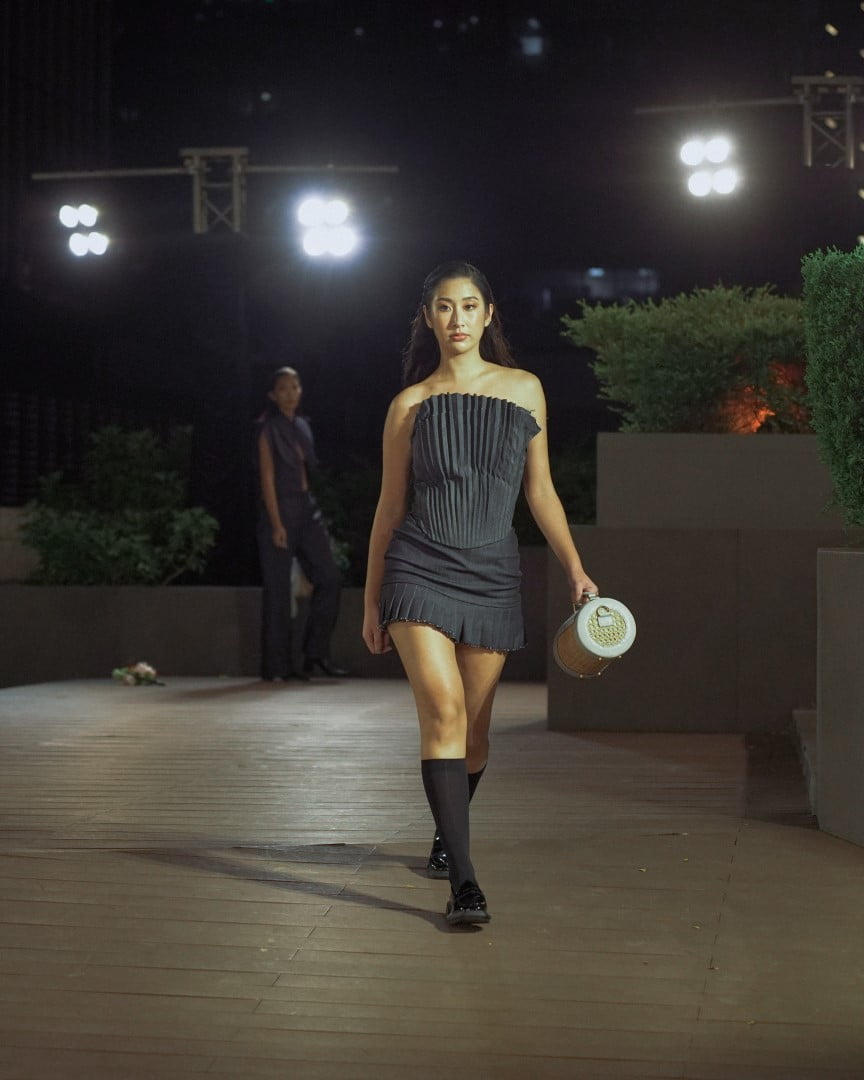
In the quiet towns of Iloilo, the rhythmic clacking of wooden looms creates a soundtrack to one of the Philippines’ most enduring textile traditions. Hablon—derived from the Hiligaynon word “habol,” meaning “to weave”—represents more than fabric. It embodies generations of knowledge, cultural identity, and artistic mastery passed down through Filipino families for centuries.
Yet for all its historical significance, Hablon faced near extinction in recent decades as mass-produced fabrics flooded the market and younger generations migrated to cities for modern careers. Today, a new generation of Filipino designers is breathing fresh life into this ancient craft, proving that traditional artistry can not only survive but thrive in contemporary luxury fashion.
The Ancient Art of Hablon Weaving
Hablon weaving traces its roots to pre-colonial Philippines, when indigenous communities developed sophisticated techniques for creating textiles from locally available materials. The craft flourished in the Visayan region, particularly in Iloilo, where favorable climate conditions and rich agricultural traditions provided abundant raw materials.
Traditional Hablon uses handspun cotton, silk, and pineapple fibers, often combined with natural dyes extracted from local plants, fruits, and minerals. The resulting fabrics display distinctive patterns: geometric designs that tell stories of community identity, geometric motifs inspired by nature, and intricate color combinations that vary from town to town across the region.
What makes Hablon unique is not just its visual beauty but its technical sophistication. Master weavers—predominantly women—spend years perfecting their skills, learning to read complex patterns by memory and developing the muscle memory necessary to maintain consistent tension across thousands of threads. A single piece of traditional Hablon can take weeks or months to complete.
The weaving process itself becomes a form of meditation and community building. Women gather in groups, sharing stories and knowledge while their hands work rhythmically at the looms. This social dimension of textile production creates bonds that extend far beyond craft technique, establishing networks of mutual support and cultural transmission.
The Crisis and Near-Disappearance
By the 1980s and 1990s, Hablon weaving was in crisis. Mass-produced textiles from industrial mills offered consumers cheaper alternatives with faster availability. Traditional weavers struggled to compete on price with factory-made fabrics, and many found their products relegated to souvenir shops and tourist markets.
Young people left weaving communities for education and employment opportunities in larger cities. The knowledge that had been passed down orally for generations began to fracture as master weavers aged without sufficient apprentices to carry on their techniques. Some traditional patterns and dyeing methods were lost entirely.
Economic pressure forced many families to abandon weaving altogether. Agricultural work and overseas employment offered more reliable income than traditional craft production. Entire communities that had once centered their economic and cultural life around textile production saw their looms fall silent.
The Philippine fashion industry, dominated by imported fabrics and Western design sensibilities, showed little interest in traditional textiles. Hablon was perceived as old-fashioned, suitable only for cultural performances or ceremonial occasions rather than contemporary fashion.
Contemporary Revival Through Design Innovation
The revival of Hablon began in the early 2000s through the efforts of cultural preservationists, government programs, and most importantly, innovative designers who recognized the untapped potential of traditional Filipino textiles for luxury fashion markets.
Forward-thinking Filipino designers began experimenting with Hablon in contemporary silhouettes, discovering that the fabric’s unique properties—its breathability, durability, and distinctive texture—made it ideal for modern clothing. The irregular, handmade quality that mass production had trained consumers to view as imperfection became a luxury selling point: proof of authentic craftsmanship in an increasingly automated world.
Successful collaborations between designers and weaving communities created new economic models that benefited both artisans and fashion businesses. Designers provided steady orders and premium prices for high-quality Hablon, while weavers gained access to sophisticated markets that valued their skills appropriately.
These partnerships also sparked technical innovation. Traditional weavers began experimenting with new color palettes requested by contemporary designers, while maintaining traditional techniques. Designers learned to work within the constraints and possibilities of handwoven textiles, creating collections that showcased rather than camouflaged the fabric’s handmade qualities.
Hablon in the Global Fashion Context
As international fashion markets increasingly value authenticity, sustainability, and cultural storytelling, Hablon-based designs have found receptive audiences far beyond the Philippines. Filipino designers working with traditional textiles offer something that mass-produced fashion cannot: genuine cultural heritage combined with contemporary relevance.
The global slow fashion movement has created space for textiles like Hablon that prioritize quality over quantity, human skill over machine efficiency, and cultural meaning over trend-driven aesthetics. International consumers are increasingly willing to invest in garments that carry stories of place, tradition, and artisanal mastery.
Filipino designers have successfully positioned Hablon-based fashion in the same market segment as luxury brands from other textile-rich cultures: Japanese artisans working with traditional weaves, Indian designers celebrating regional textiles, or African fashion houses highlighting indigenous fabric traditions.
This global recognition has had profound local impact. Young Filipinos who might have once viewed traditional crafts as backward now see them as pathways to participation in international creative industries. Weaving communities that struggled for economic survival now have access to premium markets that value their skills.
Technical Mastery Meets Modern Aesthetics
Contemporary Filipino designers working with Hablon have developed sophisticated approaches that respect traditional techniques while serving modern lifestyle needs. They understand that simply using traditional fabric in conventional Western patterns does not create meaningful cultural fusion.
The most successful Hablon-based designs work with the fabric’s natural characteristics. Hablon’s slightly irregular surface texture creates interesting light play that designers incorporate into garment structure. The fabric’s breathability makes it ideal for tropical climate fashion, while its durability ensures longevity that aligns with sustainable fashion principles.
Color has become a particular area of innovation. While maintaining traditional dyeing techniques, contemporary designers work with master weavers to develop new color combinations that appeal to modern consumers while respecting cultural authenticity. Natural indigo, turmeric, and plant-based dyes create sophisticated palettes that complement rather than compete with traditional patterns.
Pattern integration requires deep cultural sensitivity and technical skill. Successful designers study the symbolic meaning of traditional motifs, ensuring their use respects rather than exploits cultural heritage. They work closely with weaving communities to understand which patterns are appropriate for commercial use and which should remain within cultural contexts.
Supporting Artisan Communities
The revival of Hablon has created meaningful economic opportunities for rural weaving communities, but success requires more than just placing orders for traditional fabrics. Sustainable partnerships between designers and artisans involve long-term commitments, fair pricing, and cultural exchange.
Leading Filipino designers working with Hablon invest in community development beyond textile production. They provide design training that helps weavers expand their skills, offer healthcare and education support for artisan families, and create savings and credit programs that provide economic stability.
Quality improvement programs help weavers meet the technical standards required for luxury fashion markets. This involves training in consistency, color matching, and finishing techniques, while maintaining the handmade qualities that make Hablon valuable.
Documentation projects preserve traditional knowledge that might otherwise be lost. Designers work with master weavers to record complex patterns, document traditional dyeing recipes, and create educational materials that can be used to train new generations of artisans.
The Future of Filipino Textile Heritage
The success of contemporary Hablon demonstrates that traditional Filipino crafts can compete successfully in global luxury markets when properly supported and intelligently marketed. This success creates a model for reviving other endangered textile traditions throughout the Philippines.
Young Filipino designers increasingly view traditional textiles as sources of competitive advantage rather than historical burdens. They understand that authentic cultural heritage, combined with contemporary design skill, creates unique value propositions that cannot be replicated by mass production.
Educational institutions are beginning to incorporate traditional textile studies into fashion design curricula, ensuring that future generations of Filipino designers understand their cultural textile heritage and have the skills necessary to work respectfully with traditional artisans.
Government support through cultural preservation programs and economic development initiatives provides infrastructure that helps scale artisan communities while maintaining quality and cultural authenticity.
As global fashion consumers become more conscious about the social and environmental impact of their purchases, textiles like Hablon offer compelling alternatives to fast fashion. They provide transparency about production methods, direct economic benefit to artisan communities, and products designed for longevity rather than disposability.
The story of Hablon’s contemporary revival demonstrates that traditional crafts need not be museum pieces. When approached with respect, creativity, and business intelligence, ancestral knowledge can become the foundation for innovative enterprises that serve both cultural preservation and economic development.
For Filipino fashion, Hablon represents possibility: the possibility that our heritage can inform our future, that traditional skills can create contemporary value, and that fashion can be both commercially successful and culturally meaningful. In every Hablon garment, ancient techniques meet modern life, proving that the best innovation often comes from understanding rather than abandoning our roots.
Experience ORIAS
Discover our collections of bespoke tailoring and artisan-made accessories.