
Inabel of Ilocos: How Northern Philippines' Master Weavers are Revolutionizing Contemporary Fashion
Explore the intricate world of Inabel weaving in Ilocos and discover how this ancient Northern Philippine textile tradition is transforming modern fashion with its distinctive geometric patterns and sustainable craftsmanship.
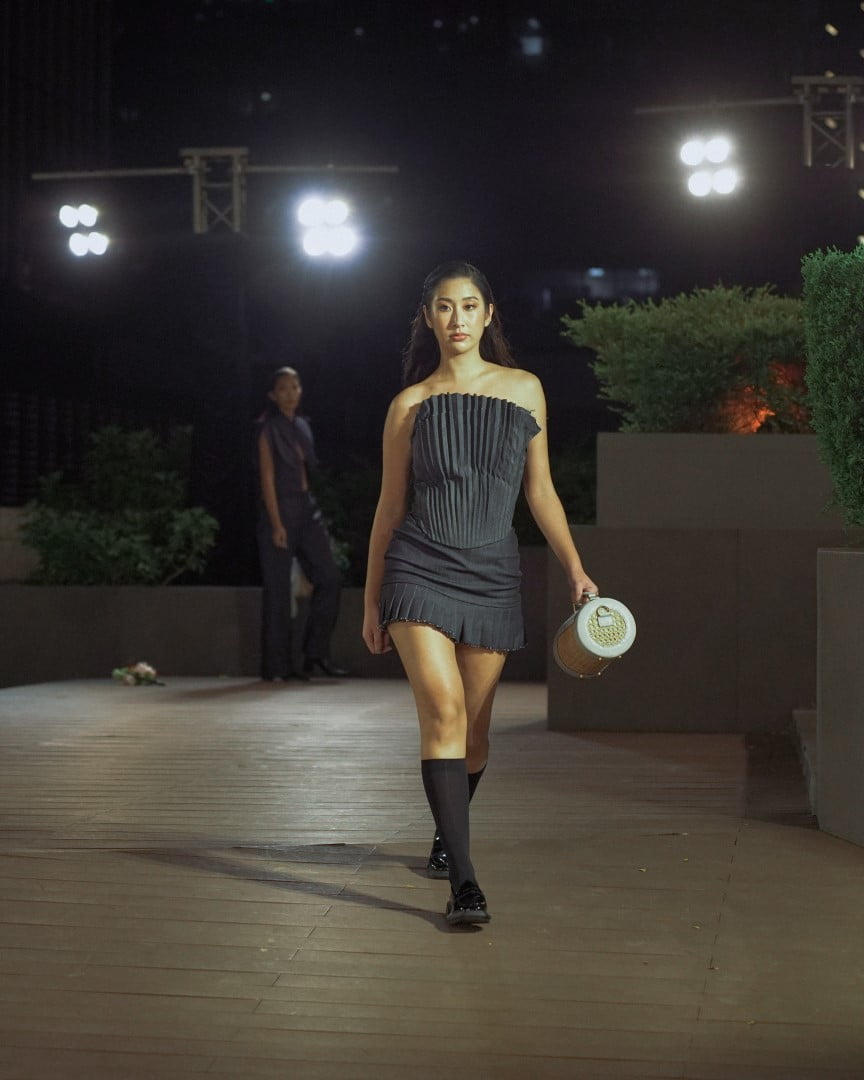
Along the coastlines of Northern Philippines, where the South China Sea meets rolling tobacco fields and historic Spanish colonial towns, an extraordinary textile tradition has endured for over four centuries. Inabel, the signature handwoven fabric of the Ilocos region, represents one of the most sophisticated and visually striking textile arts in Southeast Asia.
The name “Inabel” derives from the Ilocano word “abel,” meaning “to weave,” but this simple translation barely captures the complexity and cultural significance of a craft that has shaped communities, sustained families, and preserved identity across generations of Filipino artisans. Today, as the global fashion industry grapples with sustainability and authenticity concerns, Inabel stands as a compelling example of how traditional craftsmanship can lead contemporary design innovation.
The Artistry of Northern Philippine Weaving
Inabel weaving represents the culmination of centuries of textile innovation in Northern Philippines. Unlike other Filipino textiles that rely primarily on natural fibers like cotton or pineapple, Inabel traditionally incorporates a diverse range of materials: cotton, silk, and most distinctively, gold and silver metallic threads that create the fabric’s characteristic luminous quality.
The visual impact of authentic Inabel is unmistakable. Master weavers create intricate geometric patterns using a technique called “binakol”—meaning “twisted” in Ilocano—which produces designs that seem to move and shift as light plays across the fabric’s surface. These patterns aren’t merely decorative; they carry cultural meaning, with specific motifs representing everything from rice terraces and ocean waves to celestial bodies and ancestral protection.
Traditional Inabel production centers around Ilocos Sur and Ilocos Norte, where family-based weaving operations have operated continuously for generations. The town of Pinili in Ilocos Norte is particularly renowned, with nearly every household historically engaged in some aspect of textile production, from growing cotton to operating looms to natural dyeing.
The technical mastery required for Inabel weaving is extraordinary. Weavers must maintain precise tension across hundreds of threads while creating complex patterns entirely from memory. A single piece of traditional Inabel can contain over 40 different pattern elements, each requiring specific thread sequences and timing. Master weavers develop an almost musical sense of rhythm, their hands moving in complex patterns that create textiles of remarkable precision and beauty.
Cultural Heritage and Economic Sustenance
For Ilocano communities, weaving has traditionally served dual purposes: preserving cultural identity and providing economic stability in an often challenging agricultural environment. The Ilocos region’s climate, while ideal for cotton growing, has historically been prone to droughts and typhoons that could devastate harvests. Textile production provided families with alternative income sources that weren’t dependent on agricultural cycles.
The social dimension of Inabel weaving creates community bonds that extend far beyond economic transactions. Weaving groups traditionally gather daily, sharing stories, advice, and cultural knowledge while their hands work at the looms. These gatherings serve as informal education systems, where younger women learn not just weaving techniques but cultural values, historical narratives, and community wisdom.
Different towns and villages developed distinctive pattern signatures, creating a rich tapestry of regional variations within the broader Inabel tradition. Vigan weavers became known for specific color combinations, while Sarrat artisans mastered particular geometric motifs. This regional diversity means that experienced observers can identify a textile’s origin simply by examining its patterns and color palette.
The cultural significance of Inabel extends beyond daily use into ceremonial and spiritual contexts. Special occasion textiles incorporate religious motifs, ancestral symbols, and protective patterns. Wedding ceremonies, religious festivals, and community celebrations all feature specific Inabel designs that connect participants to cultural heritage and spiritual beliefs.
The Challenge of Modernization
Like many traditional crafts worldwide, Inabel faced severe challenges during the late 20th century as industrialization and globalization transformed Filipino economic life. Mass-produced textiles offered consumers cheaper alternatives with immediate availability, while traditional weaving required weeks or months to complete individual pieces.
Young Ilocanos increasingly left their home communities for education and employment in Manila or overseas, attracted by opportunities that seemed more compatible with modern economic realities than traditional craft production. The knowledge base that had sustained Inabel weaving for centuries began to contract as master weavers aged without sufficient apprentices.
Additionally, the Philippine fashion industry showed minimal interest in traditional textiles during the 1980s and 1990s. Western-influenced design aesthetics dominated, and locally-made fabrics were perceived as provincial or old-fashioned. Inabel became associated primarily with cultural performances and tourist souvenirs rather than contemporary fashion.
Tourism, while bringing some income to weaving communities, also created pressure to simplify and standardize traditional designs to appeal to visitors seeking quick, affordable souvenirs. This “touristification” threatened to reduce the complexity and cultural meaning that made authentic Inabel so distinctive.
Contemporary Renaissance Through Fashion Innovation
The revival of Inabel in contemporary fashion began through the vision of designers who recognized the fabric’s extraordinary aesthetic qualities and its compatibility with global trends toward sustainable, ethically-produced fashion. Pioneer designers like Rafe Totengco and later contemporary artists began experimenting with traditional Inabel in modern silhouettes, discovering its remarkable versatility.
Modern designers found that Inabel’s natural properties—breathability, durability, and distinctive texture—made it ideally suited for tropical climates while offering visual interest that synthetic fabrics couldn’t match. The fabric’s capacity to hold complex patterns while maintaining structural integrity opened possibilities for contemporary clothing that celebrated rather than camouflaged its handmade origins.
Successful collaborations between designers and weaving communities created new economic models that benefited both parties. Fashion houses provided steady orders at premium prices, while weavers gained access to markets that valued their skills appropriately. These partnerships also encouraged technical innovation, with traditional weavers experimenting with new color palettes and pattern variations requested by contemporary designers.
The integration of Inabel into luxury fashion markets has helped restore pride and economic viability to weaving communities. Young people who might have abandoned traditional skills for urban employment are now finding opportunities to earn sustainable livelihoods while preserving cultural heritage. Some communities report that traditional weaving now provides better income than agriculture or overseas employment.
Global Recognition and Sustainable Fashion Leadership
As international fashion markets increasingly prioritize authenticity, sustainability, and cultural storytelling, Inabel-based designs have gained recognition far beyond the Philippines. The fabric’s handmade qualities, natural materials, and traditional production methods align perfectly with global movements toward ethical consumption and environmental responsibility.
International fashion magazines and luxury retailers have begun featuring Filipino designers working with traditional textiles, recognizing them as part of a broader global movement celebrating indigenous craftsmanship. Fashion weeks in Paris, New York, and London have showcased Inabel-based collections, introducing international audiences to the sophistication and beauty of Philippine textile traditions.
The sustainability credentials of traditional Inabel production are particularly compelling in contemporary fashion contexts. Natural fibers, plant-based dyes, and human-powered looms create textiles with minimal environmental impact compared to industrial textile production. The durability of properly-made Inabel means garments last for decades rather than seasons, contradicting fast fashion’s disposable aesthetic.
Cultural authenticity has become a significant luxury selling point, with consumers increasingly willing to invest in garments that carry genuine stories of place, tradition, and artisanal mastery. Inabel offers something that mass-produced fashion cannot: tangible connection to living cultural traditions and the hands of skilled artisans.
The Future of Inabel in Contemporary Fashion
The future of Inabel appears increasingly bright as multiple trends converge to support traditional textile production. Environmental consciousness drives consumer demand for sustainable alternatives to industrial fashion. Cultural pride among Filipino consumers creates domestic markets for heritage-based design. International appreciation for artisanal craftsmanship opens global opportunities for Filipino textile artists.
Technology is also playing a supportive role, with digital platforms connecting weavers directly to designers and consumers worldwide. Social media showcases the weaving process, educating global audiences about the skill and cultural significance behind each textile. E-commerce enables small weaving operations to reach international markets without intermediaries.
Educational initiatives are addressing knowledge transmission concerns by creating formal apprenticeship programs and documentation projects that preserve traditional techniques while encouraging innovation. Universities and design schools increasingly incorporate traditional Philippine textiles into their curricula, ensuring that future fashion professionals understand and value indigenous craftsmanship.
The integration of Inabel into contemporary fashion represents more than commercial success; it demonstrates how traditional knowledge systems can adapt and thrive in modern economic contexts while maintaining cultural authenticity. For global fashion, Inabel offers a model of how industry can support rather than exploit traditional communities while creating products of genuine quality and meaning.
As ORIAS Studios continues to explore the possibilities of Philippine textile traditions, Inabel stands as a testament to the enduring power of skilled hands, cultural knowledge, and design innovation to create fashion that honors the past while embracing the future. In every thread lies a story of resilience, artistry, and the continuing relevance of traditional wisdom in contemporary life.
Experience ORIAS
Discover our collections of bespoke tailoring and artisan-made accessories.