
Meet the Artisans: The Hands Behind Every ORIAS Piece
From Pangasinan weavers to Marikina bag makers, discover the Filipino artisans whose generations of skill and dedication shape every ORIAS product.
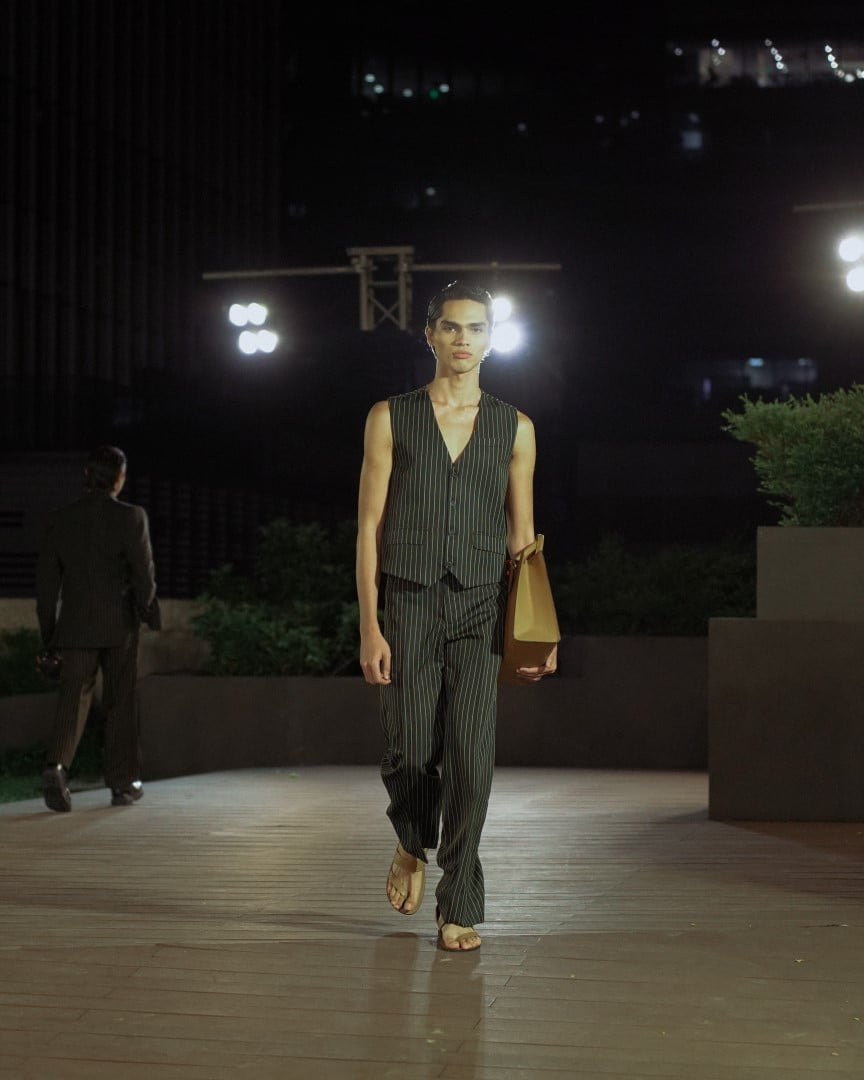
Behind every ORIAS piece, there are hands. Not metaphorical hands representing some abstract notion of craftsmanship, but actual human hands, belonging to actual people with names and histories and expertise earned over years of patient practice. Understanding who these artisans are and what they do transforms an accessory or garment from a product into a story.
The Weaving Communities
The solihiya weaving that defines ORIAS Essentials accessories originates in communities across Pangasinan province in northwestern Luzon. Here, weaving is not an occupation that one chooses from a list of career options. It is a practice that flows through families, taught by mothers to daughters, by grandmothers to grandchildren, through demonstration rather than instruction manuals.
The weavers work primarily with buri palm, a material harvested from the buri palm tree (Corypha utan) that grows throughout the Philippines. The process begins long before any weaving takes place. The buri leaves must be harvested at the right stage of maturity, then dried in the sun for several days. The dried leaves are stripped into thin, uniform widths, a process that requires a trained eye and steady hand since inconsistent strip widths will produce uneven weave patterns.
The actual weaving follows a precise over-under sequence that creates the hexagonal pattern characteristic of solihiya. Each intersection must maintain consistent tension; too loose and the pattern sags, too tight and the strips tear. An experienced weaver develops an intuitive feel for this tension, a kind of muscle memory that allows them to maintain quality across hours of repetitive motion.
What distinguishes these artisans is their relationship with time. In a culture obsessed with speed and efficiency, the weavers work at a pace dictated by the material and the technique rather than by production targets. A single panel of solihiya weaving can take several hours. Rushing produces inferior work. The weaver’s patience is not a personal virtue; it is a professional necessity.
The Leather Workers of Marikina
Marikina, a city in Metro Manila’s eastern edge, has been the Philippines’ capital of shoe and leather craft for over a century. The city’s artisans trace their tradition to the Spanish colonial period, when Marikina became a center for leather goods production. At its peak, the city was home to thousands of shoe factories and leather workshops, earning it the official designation “Shoe Capital of the Philippines.”
The industry has contracted significantly since its golden age, pressured by cheap imports and changing consumer preferences. But the artisans who remain represent an extraordinary concentration of leather-working skill. Many are second or third-generation craftspeople who learned their trade through apprenticeship, working alongside masters who could identify leather quality by touch and cut patterns from memory.
For ORIAS, the Marikina leather workers contribute to the construction of bags and accessories. Their expertise lies in understanding how leather behaves: how different tannages respond to cutting, how grain direction affects structural integrity, how edge finishing determines the longevity of a seam. These are not skills that can be automated or shortcut. They are the product of thousands of hours of hands-on experience.
The collaboration between ORIAS and Marikina artisans follows a model that prioritizes the craftsperson’s expertise. Designs are developed in dialogue, with the artisan’s knowledge of material behavior informing decisions about construction methods. If a design concept will not hold up structurally, the artisan says so, and the design is adjusted. This is not a one-directional relationship where a designer dictates and a maker executes; it is a genuine collaboration between complementary forms of expertise.
The Embroiderers of Taal
Taal, a heritage town in Batangas province south of Manila, is renowned for its embroidery tradition. The town’s embroiderers specialize in the intricate needlework that adorns barong tagalog and other formal Filipino garments. Their techniques include calado (cutwork embroidery), sombrado (shadow work), and various forms of surface embroidery that transform plain fabric into textile art.
The skill required for this work is difficult to overstate. Calado, for instance, involves cutting threads from the base fabric and then weaving the remaining threads into patterns, creating the effect of lace within the garment itself. A single barong panel of calado embroidery can take weeks to complete. The embroiderer works with magnification, a steady hand, and a concentration that borders on meditative.
ORIAS Bespoke works with Taal-based embroiderers for its barong tagalog offerings. Each embroidery commission begins with a design conversation: What motifs does the client want? Traditional sampaguita and sun patterns, or something more contemporary? What density of embroidery: all-over calado, or more restrained accent panels? The embroiderer’s expertise guides these decisions, offering options and limitations that shape the final design.
The Tailors
The tailors who construct ORIAS bespoke garments represent yet another dimension of Filipino craft expertise. Based in Metro Manila, they are trained in both traditional Filipino garment construction and Western tailoring techniques. This dual fluency allows them to build garments that honor Filipino sartorial traditions while meeting international quality standards.
A bespoke suit requires dozens of individual operations, many of them performed by hand. Canvas construction, where an interlining of horsehair canvas is shaped by hand-stitching to follow the contours of the wearer’s body, is the foundation of quality tailoring. Machine-made “fused” suits glue this interlining in place; bespoke suits build it stitch by stitch, creating a garment that molds to the body over time rather than fighting it.
The tailors also handle the barong tagalog, which presents its own construction challenges. Sheer fabrics like pina and jusi require different handling than the wools and linens of Western suiting. Seams must be finer. Embroidered panels must be incorporated without distorting the pattern. The garment must maintain its drape despite the fabric’s lightness.
Fair Practice and Sustainable Livelihood
The artisan partnerships that sustain ORIAS are built on principles of fair compensation and sustainable practice. Weavers, leather workers, embroiderers, and tailors are paid rates that reflect the true value of their time and skill, not the minimum that market pressure might dictate.
This is not philanthropy; it is sound business practice. Artisans who are fairly compensated produce better work, remain committed to quality, and invest in training the next generation. Artisans who are underpaid cut corners, burn out, and eventually leave the profession, taking irreplaceable skills with them.
The challenge for brands like ORIAS is communicating this value chain to consumers. When a client purchases a solihiya bag or a bespoke barong, they are not just buying an object. They are sustaining a network of skilled people whose work would otherwise be displaced by cheaper, lower-quality alternatives. The price tag reflects not just materials and labor but the preservation of living traditions.
The Future of Filipino Artisanship
Filipino artisans face real challenges. Younger generations often prefer urban employment to traditional craft work, seeing better economic prospects in call centers and corporate offices. The knowledge base is aging, and without active intervention, some skills will be lost within a generation.
The solution is not nostalgia but viability. When artisan work pays a living wage, offers creative fulfillment, and carries social respect, young people will choose it. Fashion brands that create sustained demand for artisan products play a crucial role in this equation. Every purchase is a vote for the continued existence of these crafts.
At ORIAS, the commitment to artisan partnerships is not a marketing angle; it is the foundation of the business model. Without the weavers, without the leather workers, without the embroiderers and tailors, there is no brand. Recognizing this dependency and honoring it through fair practice and genuine collaboration is the only approach that makes ethical or commercial sense.
The hands behind every ORIAS piece belong to people who have dedicated their lives to mastering difficult crafts. Their work deserves to be seen, understood, and valued, not as quaint tradition but as living excellence.
Experience ORIAS
Discover our collections of bespoke tailoring and artisan-made accessories.