
Slow Fashion Manila: Why Intentional Design Matters More Than Ever
How Manila's slow fashion movement is challenging fast fashion culture in the Philippines, and why intentional, sustainable design is the future of Filipino style.
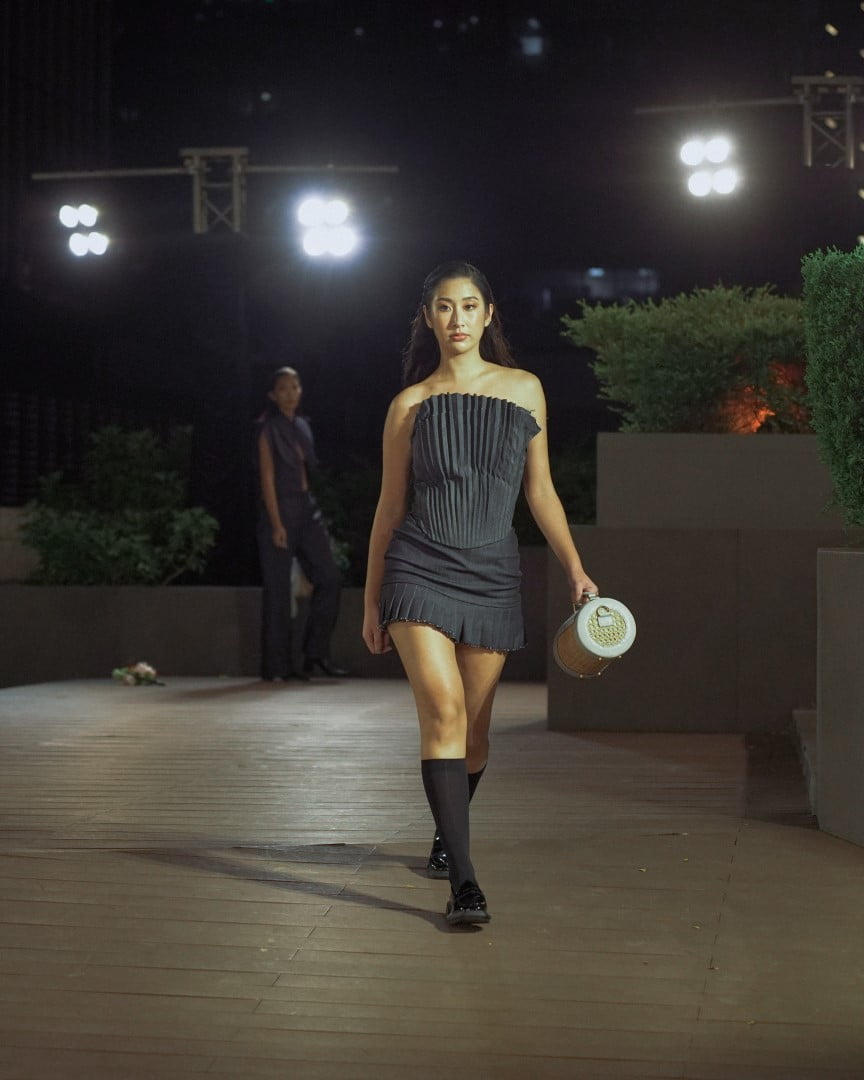
Manila is a city of contradictions. Gleaming malls sit beside century-old churches. Air-conditioned offices tower over markets where vendors sell hand-sewn goods for fractions of retail prices. And in a fashion landscape dominated by fast fashion chains and social media-driven trend cycles, a growing community of designers, makers, and consumers is choosing a radically different path.
Slow fashion in Manila is not a trend. It is a response to a system that has prioritized speed and volume over quality, sustainability, and human dignity. For Filipino designers committed to this approach, every garment is an argument that fashion can be better.
The Fast Fashion Problem in the Philippines
The Philippines is one of Southeast Asia’s largest fashion markets. Global fast fashion brands have aggressively expanded into the country, offering trendy garments at price points that seem impossible. A dress for 500 pesos. A shirt for 300. The convenience is undeniable: walk into any mall, pick from thousands of options, walk out with bags full of new clothes.
But the costs are hidden. Fast fashion’s low price points are made possible by supply chains that externalize their true expenses. Garment workers in export processing zones work long hours for wages that strain to cover basic living costs. Synthetic fabrics shed microplastics into waterways with every wash. Garments designed for six weeks of trend relevance end up in landfills within months.
The Philippines is simultaneously a producer and victim of this system. The country’s garment industry employs hundreds of thousands of workers, many of whom are skilled sewers and craftspeople capable of producing work far superior to what fast fashion demands of them. Meanwhile, the country’s rivers and coastlines bear the environmental burden of textile waste.
What Slow Fashion Actually Means
Slow fashion is often mischaracterized as simply “expensive fashion” or “boring fashion.” It is neither. At its core, slow fashion is a set of principles about how garments are designed, produced, sold, and worn.
Design is intentional rather than trend-reactive. A slow fashion designer creates garments with longevity in mind: Will this piece still be wearable in five years? Ten years? Does it serve a real need in the wearer’s life, or is it designed to create artificial desire?
Production respects materials and labor. Fabrics are chosen for their quality, sustainability, and appropriateness to function. Workers are paid fairly and work in safe conditions. Production runs are sized to demand rather than speculative volume, minimizing waste.
The relationship between brand and consumer shifts from transactional to relational. Slow fashion brands want their clients to buy less but better. They invest in education, helping consumers understand why a garment costs what it does and how to care for it so it lasts.
Manila’s Slow Fashion Community
Manila has developed a vibrant slow fashion ecosystem over the past decade. It spans bespoke tailors, independent designers, artisan collectives, and a growing community of conscious consumers who have made deliberate choices about what they wear and why.
The city’s bespoke tailoring tradition provides a natural foundation. Unlike off-the-rack retail, bespoke is inherently slow: each garment is made to order, eliminating inventory waste. The three-session fitting process that studios like ORIAS Bespoke follow means that nothing is produced without a committed buyer, and nothing leaves the atelier without meeting exacting quality standards.
Independent designers have carved out spaces at weekend markets, pop-up events, and social media platforms. Many work with specific artisan communities, creating collections that showcase traditional Filipino crafts like weaving, embroidery, and leatherwork. Their production runs are small by necessity and by choice, ensuring that each piece receives the attention it deserves.
Consumer communities have organized through social media groups and swap events. Clothing swaps, repair workshops, and secondhand marketplaces have emerged as alternatives to the buy-discard-replace cycle that fast fashion encourages. These communities are redefining what it means to be fashionable in Manila: style is not about having the newest thing but about curating a wardrobe with intention.
The Climate Argument
The Philippines is one of the countries most vulnerable to climate change. Typhoons, flooding, and extreme heat events are intensifying. In this context, the environmental argument for slow fashion takes on particular urgency.
The global fashion industry accounts for an estimated 8-10% of global carbon emissions, more than international flights and maritime shipping combined. A significant portion of this impact comes from the production of cheap synthetic fabrics, the long-distance shipping of garments, and the disposal of unsold or barely worn clothing.
Slow fashion addresses each of these factors. Natural fibers grown in the Philippines, such as abaca, pina, and cotton, have lower carbon footprints than imported synthetics. Local production shortens supply chains. Durable garments reduce the volume of textile waste entering landfills and waterways.
For Filipino consumers, supporting slow fashion is a form of climate action. Every peso spent on a locally made, well-constructed garment is a peso diverted from a system that is actively harming the environment that Filipinos depend on.
The Economic Case
Critics of slow fashion often point to price as a barrier. And it is true that a handmade garment costs more than a factory-produced one. But this framing ignores the economic dynamics that make fast fashion cheap.
Fast fashion’s low prices are subsidized by externalized costs: underpaid labor, environmental degradation, and the planned obsolescence that ensures consumers keep buying. When these hidden costs are accounted for, the “expensive” slow fashion garment often represents better value.
There is also the local economic multiplier to consider. Money spent on Filipino-made slow fashion circulates within the Philippine economy. It pays local artisans, supports local material suppliers, and sustains local creative communities. Money spent on imported fast fashion largely exits the country, enriching foreign shareholders while contributing minimal value to Filipino communities.
The bespoke model offers a particularly compelling economic narrative. A client who invests in three well-made pieces that last for years spends less over time than a client who buys thirty cheap pieces that need constant replacement. The initial outlay is higher, but the cost-per-wear is lower, and the satisfaction is incomparably greater.
Living Slow Fashion in Manila
Adopting a slow fashion approach in Manila does not require a radical lifestyle change. It begins with small, intentional shifts.
Before purchasing any garment, pause and ask: Do I need this? Will I wear it at least thirty times? Does it fit my actual life? These simple questions eliminate most impulse purchases and redirect spending toward pieces that genuinely serve the wardrobe.
Explore local makers and designers. Manila has an abundance of talented people creating beautiful, well-made garments and accessories. Visit weekend markets, follow independent designers on social media, ask friends for recommendations. The slow fashion community is welcoming and eager to share.
Learn basic garment care. Many garments are discarded not because they are worn out but because minor damage, a loose button, a small tear, goes unrepaired. Knowing how to maintain clothing extends its life significantly.
Consider bespoke for foundational pieces. A well-fitted suit, a perfectly constructed barong, a bag made by skilled leather workers: these are investments that anchor a wardrobe for years.
The slow fashion movement in Manila is not about deprivation. It is about abundance of a different kind: the abundance of wearing garments that were made with care, that fit beautifully, that carry stories worth telling. In a city as vibrant and complex as Manila, that seems like exactly the right kind of fashion.
Experience ORIAS
Discover our collections of bespoke tailoring and artisan-made accessories.