
Quiet Luxury in the Philippines: Why Less is More in Filipino Fashion
Exploring the rise of quiet luxury in Philippine fashion - how Filipino designers are embracing understated elegance, quality materials, and intentional design over logos and trends.
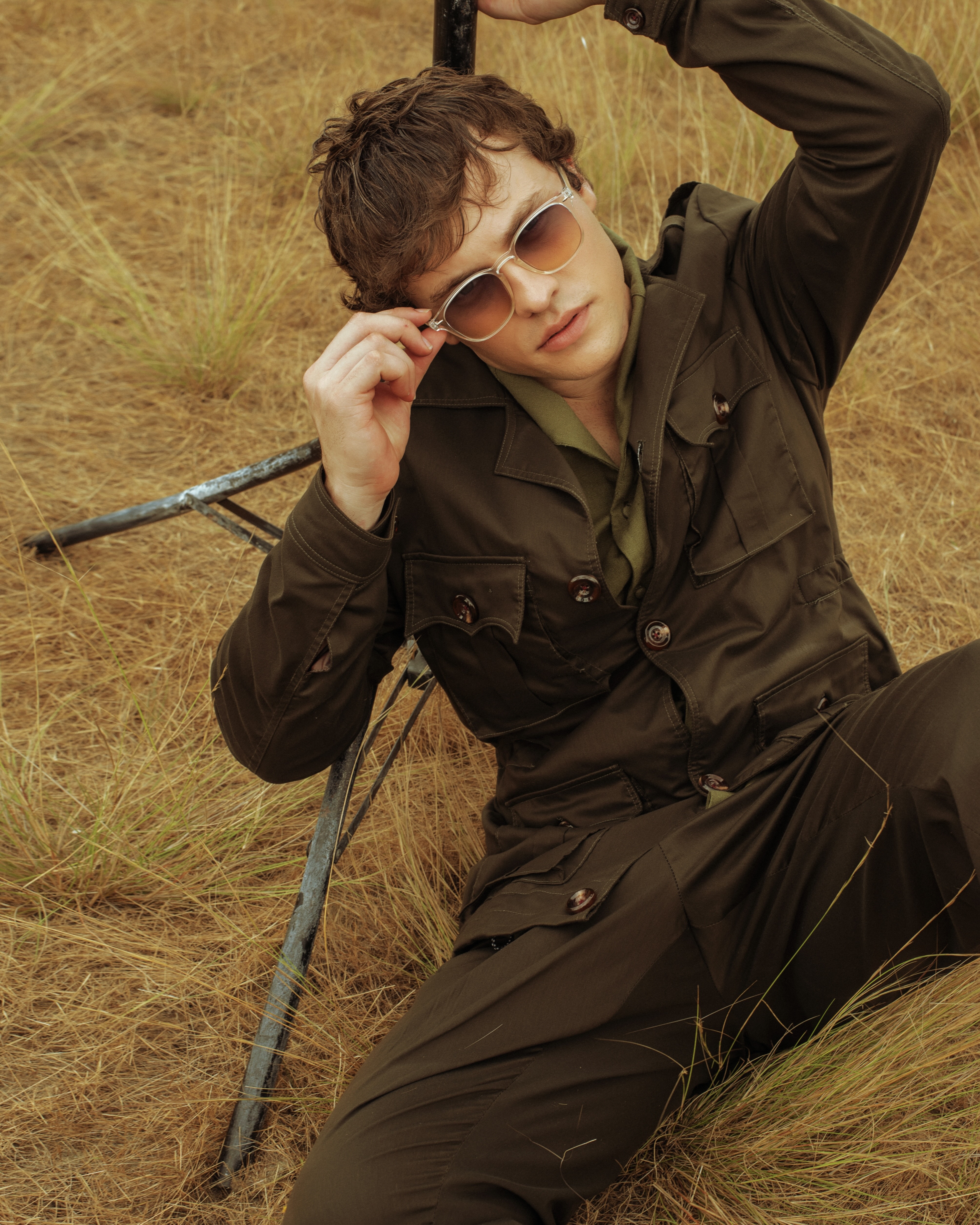
There is a moment in every well-dressed person’s life when they realize that the most powerful garments are the ones that do not announce themselves. No visible logos. No trend-chasing silhouettes. No need for anyone else to recognize the label. Just exceptional fabric, precise construction, and a fit that moves with the body as though it were designed for that body alone.
This is the philosophy of quiet luxury, and it is finding a particularly resonant home in the Philippines.
The Global Shift Toward Quiet Luxury
The fashion industry’s pivot toward quiet luxury did not happen overnight. For decades, conspicuous consumption defined the luxury market. The bigger the logo, the more obvious the brand signifiers, the more desirable the piece. Status was communicated through recognition: you wore a brand so that others could identify it.
But consumer attitudes began shifting in the 2010s, accelerating sharply after 2020. A generation of consumers started questioning what luxury actually means. Is it a logo on a handbag, or is it the quality of the leather itself? Is it a trending silhouette that will look dated in two seasons, or is it a timeless cut that improves with wear?
Brands like The Row, Brunello Cucinelli, and Loro Piana became the reference points for this new sensibility. Their success proved that there was a substantial market for garments that whispered rather than shouted, that rewarded the wearer’s own taste rather than their ability to purchase a recognizable name.
Why Quiet Luxury Resonates in Filipino Culture
Filipino culture has always contained the seeds of quiet luxury, even before the term existed. The concept of “mahinhin” — a Tagalog word that encompasses modesty, refinement, and quiet grace — has shaped Filipino aesthetics for generations. The most respected elders in any Filipino community are rarely the flashiest dressers. They are the ones whose clothes fit perfectly, whose fabrics are impeccable, whose appearance communicates self-respect without seeking attention.
Consider the barong tagalog at its finest. A well-made barong is the epitome of quiet luxury: translucent pina or jusi fabric, hand-embroidered details that are only visible up close, a silhouette so distinctive that it needs no label. The barong does not compete with Western formalwear; it exists on its own terms, rooted in a specific cultural context, elevated by craftsmanship rather than branding.
This cultural alignment explains why Filipino designers have taken to the quiet luxury movement with such natural fluency. They are not adopting an imported aesthetic; they are reconnecting with values that were always present in Filipino dress and design.
The Manila Context
Manila presents a unique environment for quiet luxury fashion. The city is tropical, with temperatures rarely dropping below 25 degrees Celsius and humidity that makes heavy fabrics impractical. This climate constraint has historically limited the direct adoption of European luxury conventions, which were designed for temperate climates.
Rather than seeing this as a limitation, Filipino designers have turned it into a creative advantage. Lightweight natural fabrics, breathable construction techniques, and silhouettes that allow airflow become not just practical necessities but aesthetic statements. A linen suit that drapes beautifully in Manila’s heat carries a different kind of luxury than a wool suit in a London winter. Both require expertise to construct, but the Manila version must also account for how fabric behaves when the wearer is navigating the city’s energy, stepping from air-conditioned interiors to humid streets and back again.
Filipino Designers Leading the Quiet Luxury Movement
Several Filipino designers and brands have positioned themselves at the intersection of quiet luxury and cultural heritage. Their approaches vary, but they share common principles: material quality over brand visibility, artisanal production over industrial scale, and Filipino identity expressed through craft rather than costume.
ORIAS Studios, founded in 2016, has been explicit about its quiet luxury positioning from the beginning. The brand’s bespoke tailoring practice builds suits and barong tagalog through a collaborative three-session process, where the garment is literally shaped around the client’s body and lifestyle. There are no visible labels on the outside. The luxury is in the 25-plus measurements, the hand-finished details, and the relationship between designer and wearer.
Other brands have taken different but complementary paths. Some focus on handwoven textiles, commissioning fabrics from weaving communities across the archipelago and constructing garments that highlight the textile itself. Others work with leather artisans in Marikina, the traditional shoemaking capital of the Philippines, to create accessories that showcase the city’s centuries-old craft tradition.
The Economics of Quiet Luxury
One of the persistent questions about quiet luxury is whether it is financially accessible or merely a repackaging of exclusivity. In the Philippines, this question takes on particular urgency in a country with significant income inequality.
The honest answer is nuanced. Quiet luxury, by its nature, involves higher-quality materials and more labor-intensive production, which translates to higher price points than fast fashion. A bespoke suit will always cost more than an off-the-rack alternative. A handwoven bag will always cost more than a factory-produced one.
However, the Filipino quiet luxury approach offers a value proposition that global luxury brands often do not: direct access to artisans and designers, transparent pricing that reflects actual production costs rather than brand markup, and garments designed for the local climate and lifestyle. A Filipino client investing in a bespoke barong or a locally made leather bag is supporting a production chain that stays within the country, sustaining communities and craft traditions that benefit the broader economy.
Moreover, the durability argument is real. A well-made garment or accessory that lasts for years represents a lower cost-per-wear than cheap alternatives that need frequent replacement. Quiet luxury is not about buying more; it is about buying better and buying less.
Dressing With Intention
At its core, quiet luxury is about intentionality. Every purchase is a choice. Every garment in a wardrobe either adds to or detracts from a cohesive personal style. The quiet luxury approach asks: Does this piece serve my actual life? Will it still feel relevant in five years? Does it reflect who I am rather than who a brand wants me to be?
For Filipino consumers navigating a market saturated with fast fashion and global brand advertising, this intentional approach offers a liberating alternative. It says that style is personal, not aspirational. That Filipino craft has inherent value that needs no foreign validation. That the most luxurious thing you can wear is something made thoughtfully, with care, for you.
The quiet luxury movement in the Philippines is not a rejection of fashion; it is a maturation of it. It reflects a culture that has always valued substance over spectacle, now finding its voice in a global conversation that is finally ready to listen.
Experience ORIAS
Discover our collections of bespoke tailoring and artisan-made accessories.