
Sustainable Fashion in the Philippines: How Filipino Designers Are Leading the Eco-Conscious Revolution
Discover how Filipino fashion designers like ORIAS Studios are pioneering sustainable practices, from traditional weaving techniques to zero-waste production, reshaping the Philippines fashion landscape.
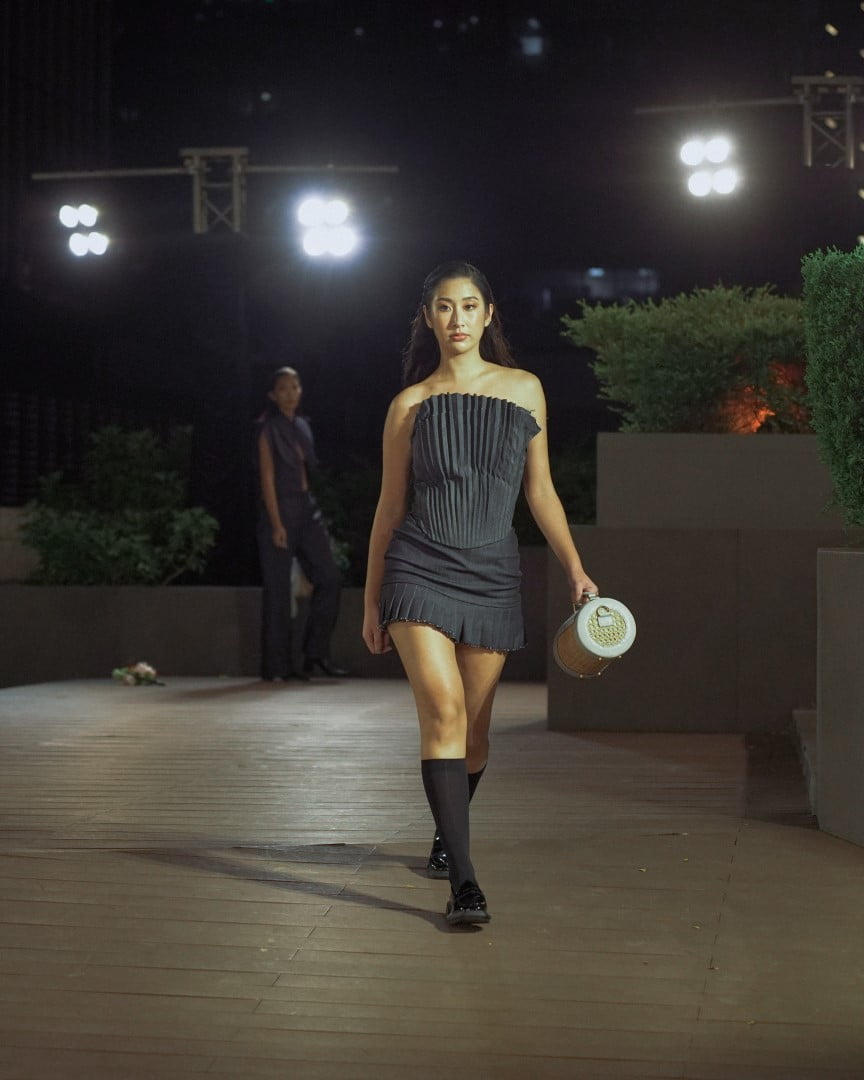
The Philippines fashion industry is experiencing a quiet revolution. While global fashion grapples with its environmental impact, Filipino designers are turning to time-honored traditions and innovative practices to create a more sustainable future. From the handwoven textiles of our ancestors to cutting-edge zero-waste techniques, the Philippines is emerging as a leader in the sustainable fashion movement.
The Environmental Challenge in Philippine Fashion
The fashion industry’s environmental footprint is staggering—responsible for 10% of global carbon emissions and 20% of global wastewater. In the Philippines, where textile production has deep cultural roots, designers face a unique challenge: how to honor traditional craftsmanship while addressing modern sustainability concerns.
The fast fashion model, with its emphasis on cheap, disposable clothing, stands in stark contrast to the Filipino tradition of creating garments meant to last generations. This disconnect has sparked a movement among local designers to return to sustainable principles that were once second nature to Filipino craftspeople.
Traditional Techniques as Sustainable Solutions
Filipino textile traditions offer a blueprint for sustainable fashion. Indigenous weaving techniques like those used to create inabel, hablon, and piña fabric represent inherently sustainable practices:
Local Material Sourcing: Traditional Filipino textiles utilize locally available materials—cotton from the Ilocos region, abaca from Mindanao, pineapple leaves for piña fabric. This reduces transportation emissions and supports local agricultural communities.
Handcraft Production: Traditional weaving methods require minimal energy consumption compared to industrial textile production. Each piece represents hours of skilled handwork, naturally limiting overproduction.
Durability by Design: Traditional Filipino garments were crafted to last decades, often passed down through generations. This longevity stands in direct opposition to fast fashion’s disposability.
Zero Waste Philosophy: Traditional production methods utilized every part of the raw material, with scraps repurposed for smaller items or household uses.
Contemporary Filipino Designers Embracing Sustainability
Modern Filipino fashion houses are reimagining these traditional approaches for contemporary markets. Designers are proving that sustainability and style are not mutually exclusive—they can enhance each other.
Ethical Manufacturing Practices: Leading Filipino brands are prioritizing fair wages and safe working conditions for artisans and factory workers. This approach recognizes that true sustainability must include social responsibility.
Transparent Supply Chains: Filipino designers are increasingly documenting their production processes, from raw material sourcing to finished garment creation, allowing consumers to understand the true cost and impact of their purchases.
Quality Over Quantity: The focus has shifted from producing numerous affordable pieces to creating fewer, higher-quality garments that justify their price through superior craftsmanship and durability.
Cultural Preservation: By employing traditional artisans and techniques, sustainable Filipino fashion brands are helping preserve indigenous knowledge while providing economic opportunities for skilled craftspeople.
Innovation in Sustainable Materials
Philippine designers are also experimenting with innovative sustainable materials. Some are exploring organic cotton cultivation, others are developing new applications for traditional fibers like abaca and banana fiber. These innovations demonstrate how local resources can be reimagined for global markets.
The development of eco-friendly dyes using indigenous plants represents another area of innovation. Traditional natural dyes not only reduce chemical pollution but also create unique color palettes that distinguish Filipino fashion in the global marketplace.
The Economic Case for Sustainability
Sustainable fashion practices in the Philippines are proving economically viable. While initial production costs may be higher, the premium pricing sustainable brands can command often results in better profit margins than fast fashion models.
Moreover, sustainable practices create more stable employment. Artisans who master traditional techniques can command higher wages and enjoy more secure employment than factory workers in fast fashion production lines.
The growing global demand for ethically produced fashion has opened new export opportunities for Filipino brands committed to sustainable practices.
Challenges and Opportunities
Despite the advantages, Filipino sustainable fashion faces challenges. Consumer education remains crucial—many local consumers still prioritize price over sustainability. Additionally, scaling traditional artisanal techniques to meet larger market demands while maintaining quality and fair wages requires careful planning.
However, these challenges also present opportunities. The Philippines’ position as both a cultural bridge between East and West and a country with deep textile traditions provides unique advantages in the global sustainable fashion market.
Digital Platforms: Filipino sustainable fashion brands are leveraging social media and e-commerce to reach global audiences who value ethical production and cultural authenticity.
Tourism Integration: Sustainable fashion tourism, where visitors can experience traditional weaving techniques firsthand, represents an untapped market that could provide additional revenue streams for artisan communities.
Export Market Growth: International buyers are increasingly seeking alternatives to traditional fashion manufacturing hubs, and the Philippines’ combination of skilled artisans, sustainable practices, and competitive pricing positions it well for this shift.
The Future of Sustainable Fashion in the Philippines
The sustainable fashion movement in the Philippines represents more than an environmental initiative—it’s a return to Filipino values of resourcefulness, craftsmanship, and community. As global consumers become more conscious of their fashion choices, Filipino designers are well-positioned to lead this transformation.
The integration of traditional techniques with contemporary design sensibilities creates a uniquely Filipino approach to sustainability. This isn’t about copying Western sustainable fashion models but about developing authentically Filipino solutions to global challenges.
Education and Awareness: Fashion schools in the Philippines are beginning to integrate sustainability into their curricula, ensuring future designers understand both the environmental and cultural importance of sustainable practices.
Government Support: Policy initiatives supporting sustainable manufacturing and traditional crafts can help scale these practices while preserving their authentic character.
Consumer Evolution: As Filipino consumers become more environmentally conscious, demand for locally produced, sustainable fashion is growing, creating a virtuous cycle that supports both environmental and economic goals.
Conclusion: A Model for Global Sustainable Fashion
The Philippines fashion industry’s approach to sustainability offers valuable lessons for the global fashion community. By building on traditional practices rather than completely reinventing production methods, Filipino designers demonstrate how cultural heritage and environmental responsibility can work together.
This approach produces not just sustainable clothing but garments with authentic cultural significance and superior craftsmanship. As the global fashion industry searches for sustainable solutions, the Philippines’ integration of traditional wisdom with contemporary innovation provides a compelling model.
The future of fashion may well be informed by the past—and in the Philippines, that past offers a rich foundation for creating a more sustainable, equitable, and culturally meaningful fashion industry. Filipino designers aren’t just creating clothes; they’re weaving together tradition, sustainability, and innovation to craft a better future for fashion.
The sustainable fashion revolution in the Philippines proves that environmental consciousness and cultural preservation can drive economic growth while creating beautiful, meaningful garments that honor both the planet and Filipino heritage.
Experience ORIAS
Discover our collections of bespoke tailoring and artisan-made accessories.